Peptides Clarifying: Support Your Skin and Health Organically
Peptides are increasingly recognized for their significance in skin health and overall well-being. These short chains of amino acids function as essential signaling molecules, impacting collagen production and skin elasticity. Their role extends beyond aesthetics, offering potential benefits for muscle recovery and immune function. Understanding how peptides work can open new avenues for enhancing both skin vitality and overall health. What specific benefits do they hold for different skin types?
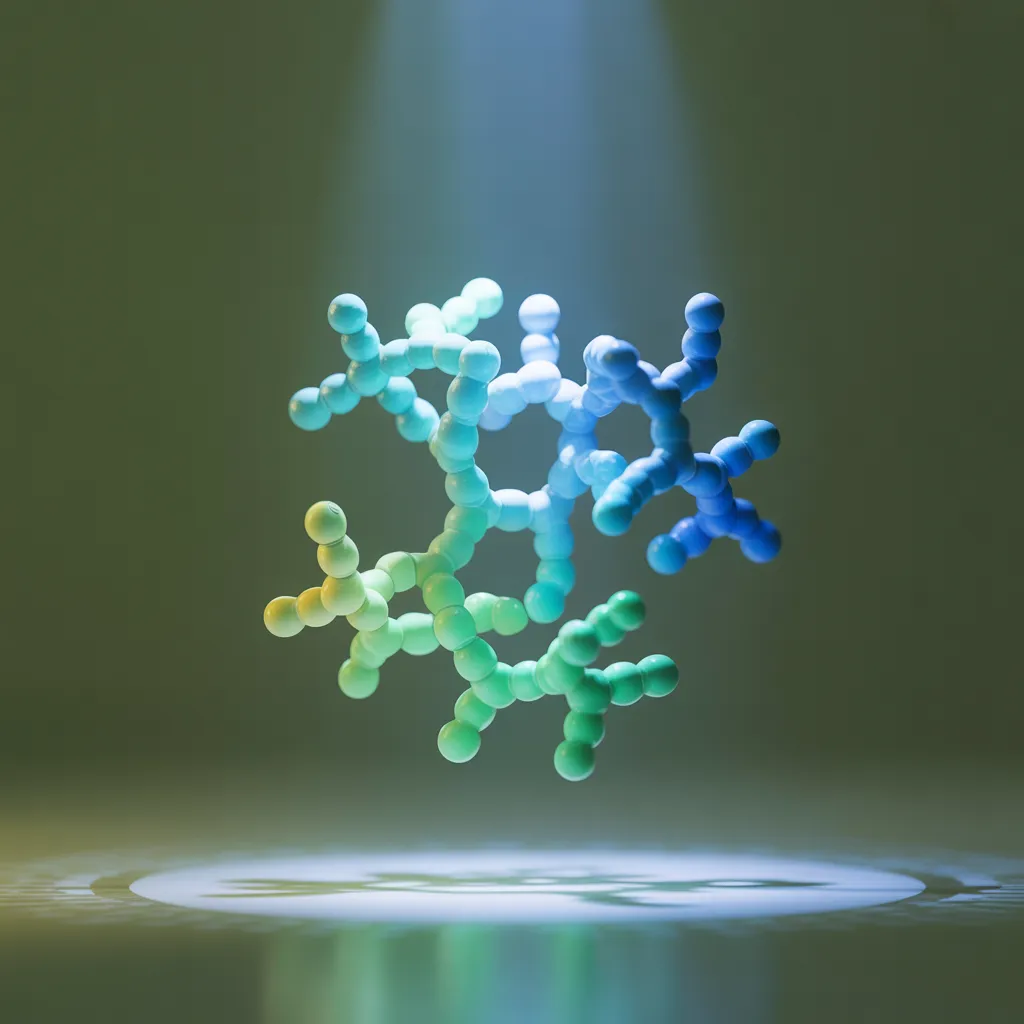
Why Peptides Matter for Your Skin: A Complete Guide
Peptides, commonly known as the basic units of proteins, serve a vital purpose in skin health and rejuvenation. These brief sequences of amino acids are essential in many biological functions, including cell signaling and tissue repair. Naturally occurring in the body, peptides comprehensive resource help maintain skin elasticity, firmness, and hydration. When used topically, they can infiltrate the skin barrier, providing targeted benefits.
Their importance lies in their ability to interact with skin cells, prompting them to perform various functions, such as regenerating skin or restoring damage. This makes peptides especially valuable in skincare formulations aimed at address issues like age-related concerns, uneven texture, and loss of vitality.
Consequently, they are increasingly added to serums and creams, attracting those seeking proven, research-based ways to improve skin appearance. Understanding peptides' function is crucial for anyone interested in enhancing their skincare routine and overall skin health.
How Do Peptides Enhance Collagen Production?
This protein formation is important for maintaining skin tone and resilience, and amino acid chains serve as a key role in promoting this activity. These short chains of amino acids operate as biological messengers, interacting with skin cells to increase collagen formation. When used topically or taken internally, these substances can breach the skin barrier, causing fibroblasts—cells responsible for producing collagen—to strengthen their performance.
Research indicates that specific peptide compounds, such as palmitoyl pentapeptide, can improve the skin's elasticity and diminish the look of wrinkles by stimulating collagen formation. Additionally, peptides can help to control the breakdown of collagen, ensuring a balanced turnover. This two-fold effect of boosting new collagen production while safeguarding existing collagen results in a more youthful and resilient skin appearance. Ultimately, incorporating peptides into skincare routines can appreciably support skin health and vitality by increasing collagen levels.
Understanding How Polypeptides Promote Dermal restoration
By harnessing their unique qualities, peptides take an key role in skin healing and regeneration. These short links of amino acids serve as messenger molecules, prompting cellular processes needed for skin repair. Applying peptides topically helps increase the production of collagen and elastin, important proteins that maintain skin structure and elasticity. That stimulation can produce improved skin texture and minimized appearance of fine lines and wrinkles.
In addition, peptides feature calming characteristics, which can calm irritated skin and hasten the mending of marks and blemishes. Their capacity to boost the epidermal barrier is also notable, as it helps maintain water content and defend against environmental stressors. By encouraging cell regeneration, peptides facilitate the emergence of new, healthy skin cells, leading to a more youthful and revitalized appearance. All in all, the inclusion of peptides into skincare routines can markedly enhance skin health and resilience.
Peptides and Its Ability to Improve Your Health
Illustrating many health benefits, peptide compounds are receiving attention for their capacity to boost overall health. These short chains of protein building blocks serve an critical role in various bodily functions, contributing to enhanced health results. For instance, particular peptides promote muscle growth and recuperation, making them valuable for athletes and fitness enthusiasts. Additionally, they can bolster immune response, allowing the body combat diseases more effectively.
Peptides serve a function in regulating metabolism, which can support weight management and general energy. Certain peptides are known to boost mental capabilities, possibly strengthening memory and focus. In addition, their inflammation-reducing effects may alleviate persistent health problems, offering relief and improving life quality. As research continues to reveal the diverse functions of peptides, their importance for supporting wellness and energy becomes more evident, establishing them as a valuable contribution to a complete wellness strategy to wellness.
Approach for Integrating Peptides in Your Daily Life
Incorporating peptides into a daily routine requires meticulous curation of suitable products. Learning effective application techniques is important to unlock their potential. This combination promises ideal results for overall health and skin.
Finding The Best Products
As people seek to enhance their skincare routines, choosing the right peptide-based products becomes vital for attaining ideal results. It is crucial to determine specific skin concerns, such as fine lines, dry skin, or uneven texture, as different peptides tackle various issues. Shoppers should look for products that feature peptides high on the ingredient panel, suggesting a greater concentration. Additionally, considering the formula is significant; serums and creams often provide better penetration than other product types. Reading reviews and looking for scientific research can provide information into a product's efficacy. Finally, selecting reputable brands that emphasize transparency and quality in their ingredient sourcing will ensure a reliable supplement to any skincare regimen.
Application Techniques For Effectiveness
Getting the most out of peptides in your skin care regimen requires correct application methods. First, it is essential to wash your face completely to remove impurities that might hinder absorption. After cleansing, using a toner can help prepare the skin, boosting peptide effectiveness. Peptides should be placed on moist skin, as this increases penetration. A few drops of peptide solution should be softly worked into your complexion, focusing on areas of concern. After the serum application, a hydrating cream seals in the peptides, ensuring they remain effective. Regularity matters; using peptides daily can produce optimal outcomes. Finally, combining peptides with sun protection during the day can further enhance skin health, as it protects against environmental damage.|Unlocking the full power of peptide compounds in your skincare routine requires proper application techniques. First and foremost, it's essential to wash your face completely to remove impurities that might block absorption. After cleansing, using a toner can prepare your complexion, improving peptide effectiveness. Your skin should be moist when applying peptides, since this enhances penetration. Dispense several drops of peptide serum and massage it softly into your complexion, concentrating on areas that need help. After using the serum, hydrating cream locks in the peptides, maintaining their effectiveness. Consistency proves essential; applying peptides each day can produce the best outcomes. To wrap up, combining peptides with sun protection throughout the day can further improve your skin's condition, because it defends against environmental damage.|Achieving maximum benefits from peptides in your daily skincare relies on correct application methods. Initially, it is vital to thoroughly cleanse your skin to get rid of impurities that could interfere with penetration. Following cleansing, using toner can condition your complexion, boosting peptide effectiveness. Your skin should be damp when you apply peptides, because dampness improves penetration. Put several drops of peptide serum and gently massage it into your face, targeting your problem zones. Following serum application, a hydrating cream seals in the peptides, maintaining their potency. Regular use is essential; applying peptides every single day can give you the best results. As a final step, combining peptides with SPF during daytime hours can boost your skin's health further, because it prevents damage from the environment.|Optimizing the benefits of peptides in your skincare routine needs the right application techniques. To begin with, it is critical to cleanse your skin completely to eliminate impurities that could interfere with absorption. Post-cleansing, a toner application helps ready your complexion, boosting peptide potency. It's best to apply peptides to damp skin, because this boosts absorption. Gently work several drops of peptide serum into your skin with focus on problem areas. After serum application, a moisturizer locks in the peptides, maintaining their effectiveness. Daily use is crucial; applying peptides daily delivers the best results. Lastly, combining peptides with daily sun protection can significantly enhance skin health, because it defends against environmental damage.
Finding the Perfect Peptides Customized for Your Skin Type
How might one judiciously select peptides adapted for individual skin types? The process proceeds from understanding targeted skin issues. For those with dry skin, peptides like hyaluronic acid and palmitoyl oligopeptide can optimize moisture absorption and improve moisture retention. Conversely, individuals facing acne-prone skin may benefit from peptides such as acetyl hexapeptide-8, which can help diminish swelling and promote healing.
Mature skin can benefit from peptides including copper tripeptide-1, which are valued for their power to amplify collagen production, offering firmer skin. Individuals prone to sensitive skin should choose gentle peptides such as dipeptide-2, which ease irritation without creating additional reactions.
In the end, picking the appropriate peptides means examining your skin type and particular concerns, while also weighing product formulations and concentrations. Talking to a skincare professional can give customized recommendations, confirming the chosen peptides fulfill individual needs effectively.
Common Inquired Questions
Can Using Peptides on the Skin Cause Any Side Effects?
Yes, utilizing peptides on the skin can result in side effects such as inflammation, allergic reactions, or sensitivity in some individuals. It is recommended to conduct a skin test before broad use to reduce risks.
Can Peptides Function when Taken Orally for Positive health outcomes?
Yes, peptides can be consumed orally for wellness gains. Research indicates that various peptides may enhance muscle recovery, reinforce immune defenses, and advance overall health, although effects may vary per person and additional investigation is warranted.
What Amount of Time Does it take to Detect Results From Peptides?
Results from peptides tend to be noticed within a timeframe of 4 to 12 weeks, depending on individual factors such as the peptide selected, dosage, and the targeted health or skin concern being addressed.
Do peptides deliver results for all skin types?
Peptides may be useful for multiple skin types, including oily, dry, and sensitive skin. However, individual reactions can differ, so it's crucial for users to conduct patch tests and speak with dermatologists for personalized advice.
Is It Feasible to Pair Peptides Together with Other Skincare Components?
Yes, peptide molecules can be combined with other cosmetic products. They often synergize with actives like hyaluronic acid and protective agents, strengthening overall effectiveness. However, users should assess their skin's response to guarantee harmony with specific ingredient pairings.